
Technology
The intelligence engine
Synthesising national geological archives with machine learning to deliver high-confidence targeting and decision support.
The Future of Australian Resources
The Future of Australian Resources
The AI synthesis engine
Data mining and natural
language processing
Australia holds one of the most comprehensive geological data libraries in the world, yet much of this information remains locked within decades of static PDF reports. Mountain Mine Q has developed in-house data workflows that use NLP-assisted extraction to convert unstructured reports into structured, searchable datasets. This enables faster technical screening and more consistent, evidence-based decision-making.
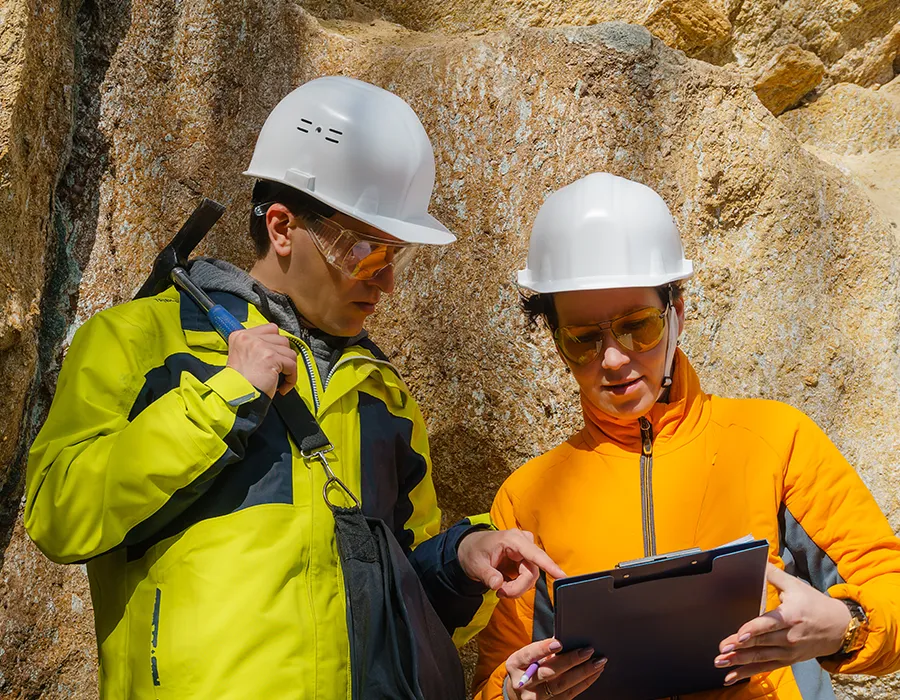
Automated data harvesting
NLP-assisted workflows systematically index and process historical exploration reports from WAMEX in Western Australia, STRIKE in the Northern Territory, and SARIG in South Australia.
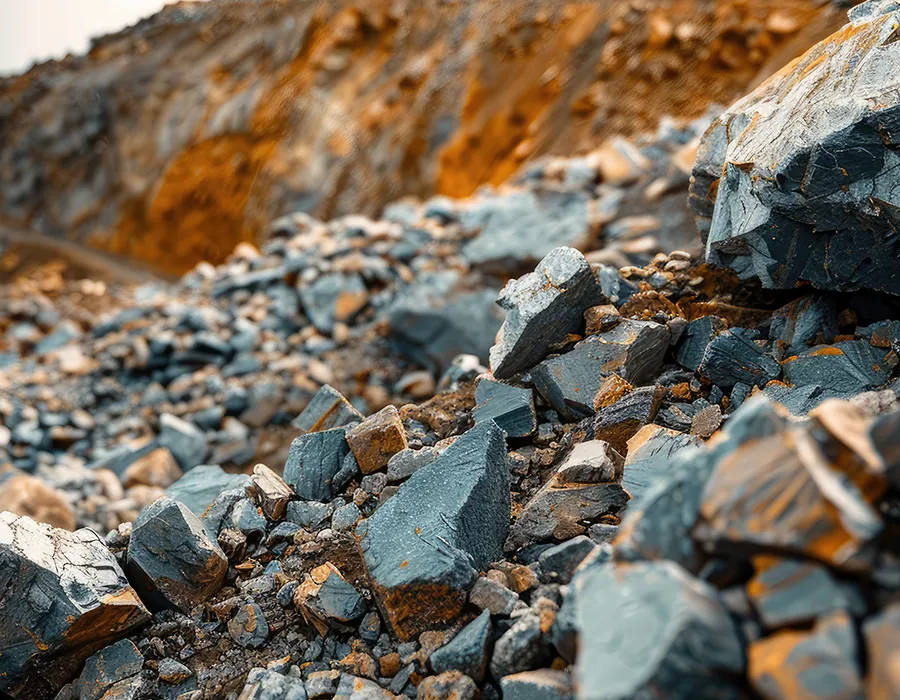
Critical field extraction
Our system identifies and extracts high-impact technical information, including peak assay values, mineralised intercept widths, multi-element geochemical signatures, and structural observations that are often buried within narrative text.
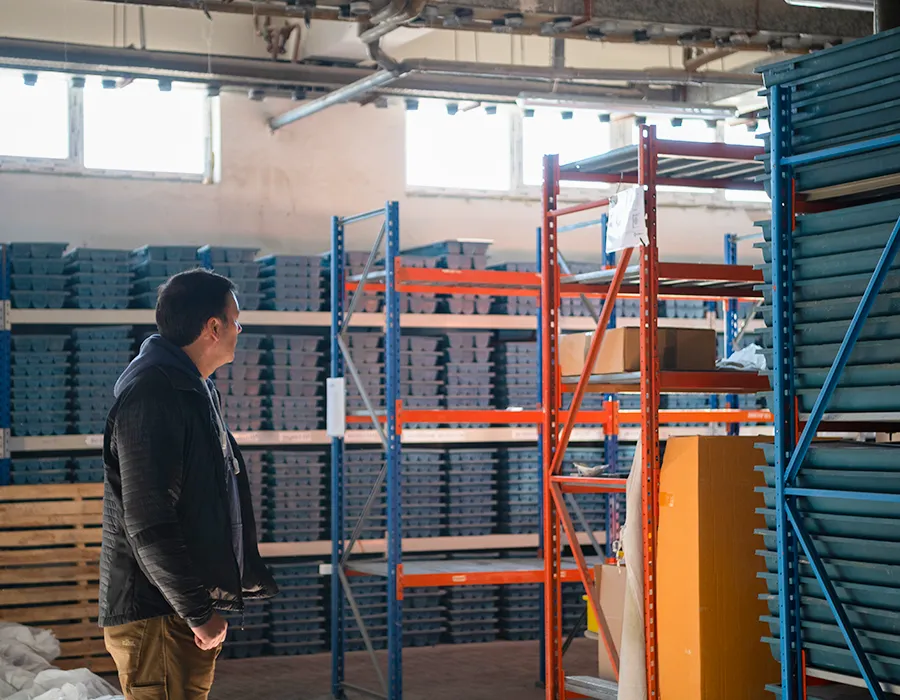
Gap and opportunity analysis
By benchmarking historical exploration against modern deposit models, our workflows highlight under-explored opportunities. These may include areas affected by cover, depth limitations, sparse drilling, or constraints imposed by legacy exploration methods.
Technology
Predictive target ranking
and heatmapping
Professional geological interpretation is strengthened through data-driven decision support. Our predictive frameworks integrate multiple datasets to prioritise targets for validation in a disciplined and capital-efficient manner.
Multivariate dataset integration
We combine gravity, magnetic, radiometric and hyperspectral datasets with regional geochemistry to generate prospectivity heatmaps across defined project areas.
Confidence-based target scoring
Each target is assigned a Potential Score based on key factors such as geological fertility, structural architecture, geochemical signature and proximity to known mineralisation. This supports consistent ranking and informed allocation of exploration capital.
Continuous model calibration
As new field results and datasets become available, models and interpretations are updated on a regular cadence. This iterative process improves ranking accuracy and informs subsequent program design.
Digital twin and 3D visualisation
Integrated subsurface modelling plays a central role in reducing uncertainty and improving decision quality.
3D geological wireframing
Using industry-standard platforms such as Leapfrog and Surpac, we translate surface and subsurface datasets into coherent 3D geological and structural models.
Scenario testing and drill planning
Before committing to drilling, alternative geological hypotheses and drill strategies are evaluated to identify the most cost-effective and technically robust approaches.
Virtual data rooms
Priority opportunities are supported by centralised digital data rooms containing assay tables, collar and survey data where available, photographs where applicable, and 3D models. This ensures projects are diligence-ready for joint venture partners or investors.
The human-in-the-loop philosophy
Technology generates opportunity. Experience turns it into discovery.
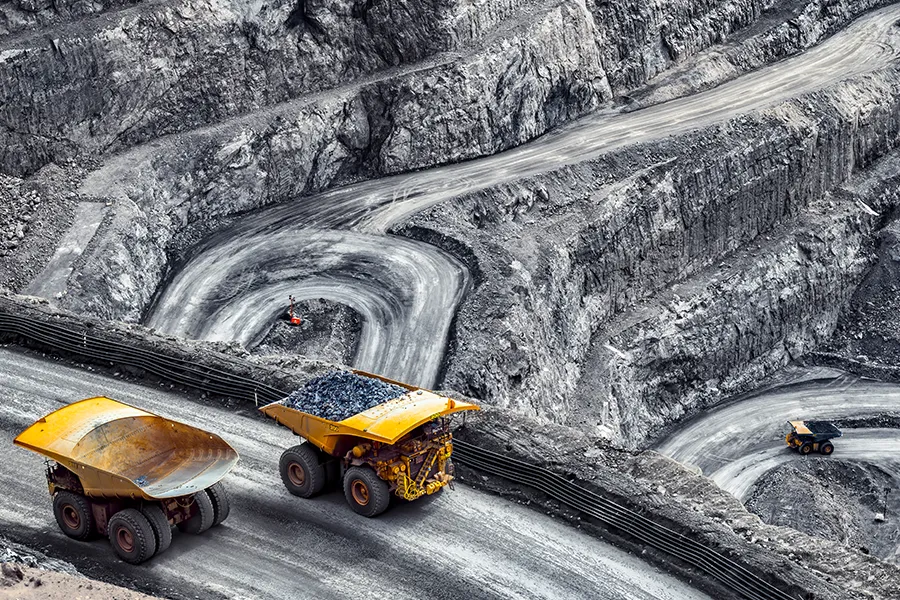
Augmented intelligence
Our systems are designed to support geologists, not replace them. By reducing manual data handling and accelerating synthesis, our workflows allow the technical team to focus on interpretation, target validation and disciplined execution.
Institutional geological insight
Practical exploration and resource geology experience is embedded into scoring criteria, review checklists and decision gates. This ensures outputs remain grounded in sound geological reasoning and aligned with commercial realities.